Cable bedding sand. UK wide.
Cable sand deliveredanywhere in the UK
Cable sand, also called thermal sand or ducting sand, for bedding and blinding power cables, and cement-bound sand as sand to mix on site or pre-mixed dry, matched to the spec your job needs. Tipper loads, artic loads or bulk bags, delivered to site.
- Samples before you order
- Tipper loads and bulk bags
- Every job quoted
Who buys it
Wherever a cable goes in the ground
From a single bulk bag for a garden office to artic loads for a solar farm.
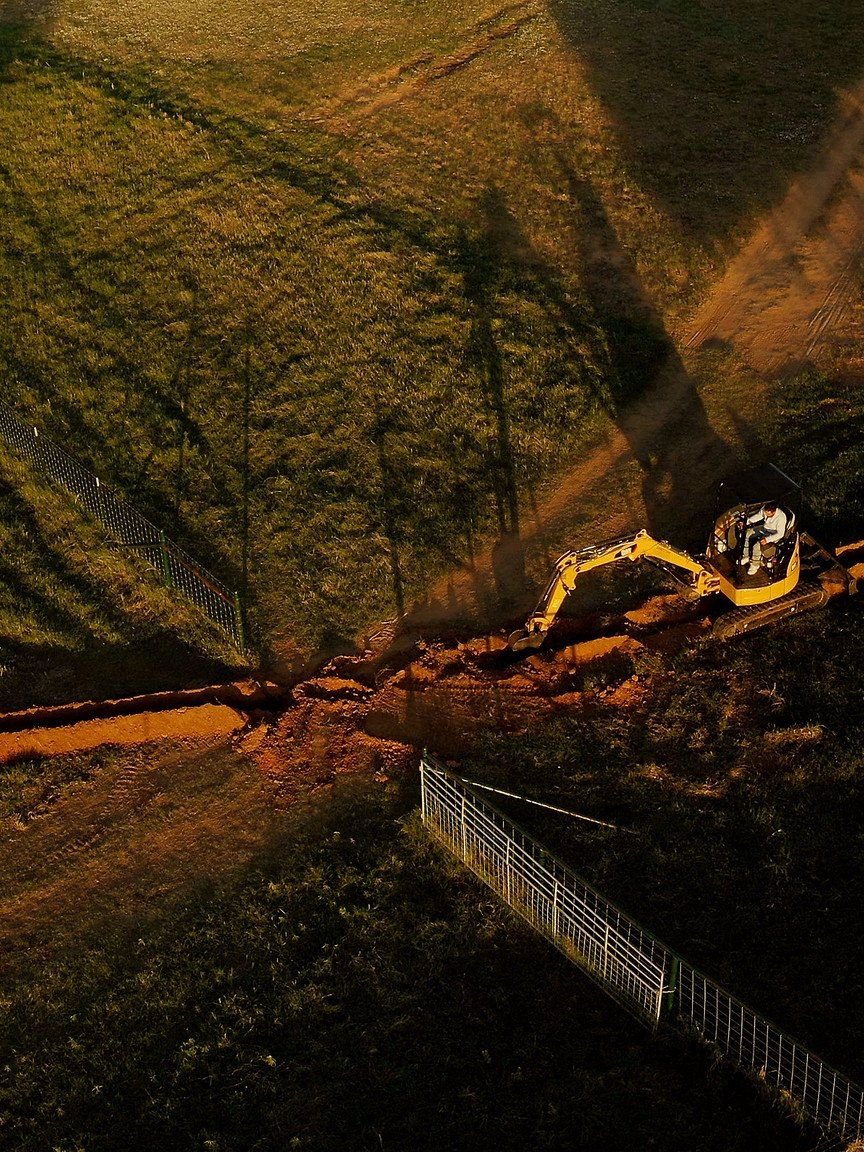
Utility contractors
Network operator work, where the spec and the paperwork matter.
Learn more
Solar farms
Long cable runs across site, loads booked around your programme.
Learn more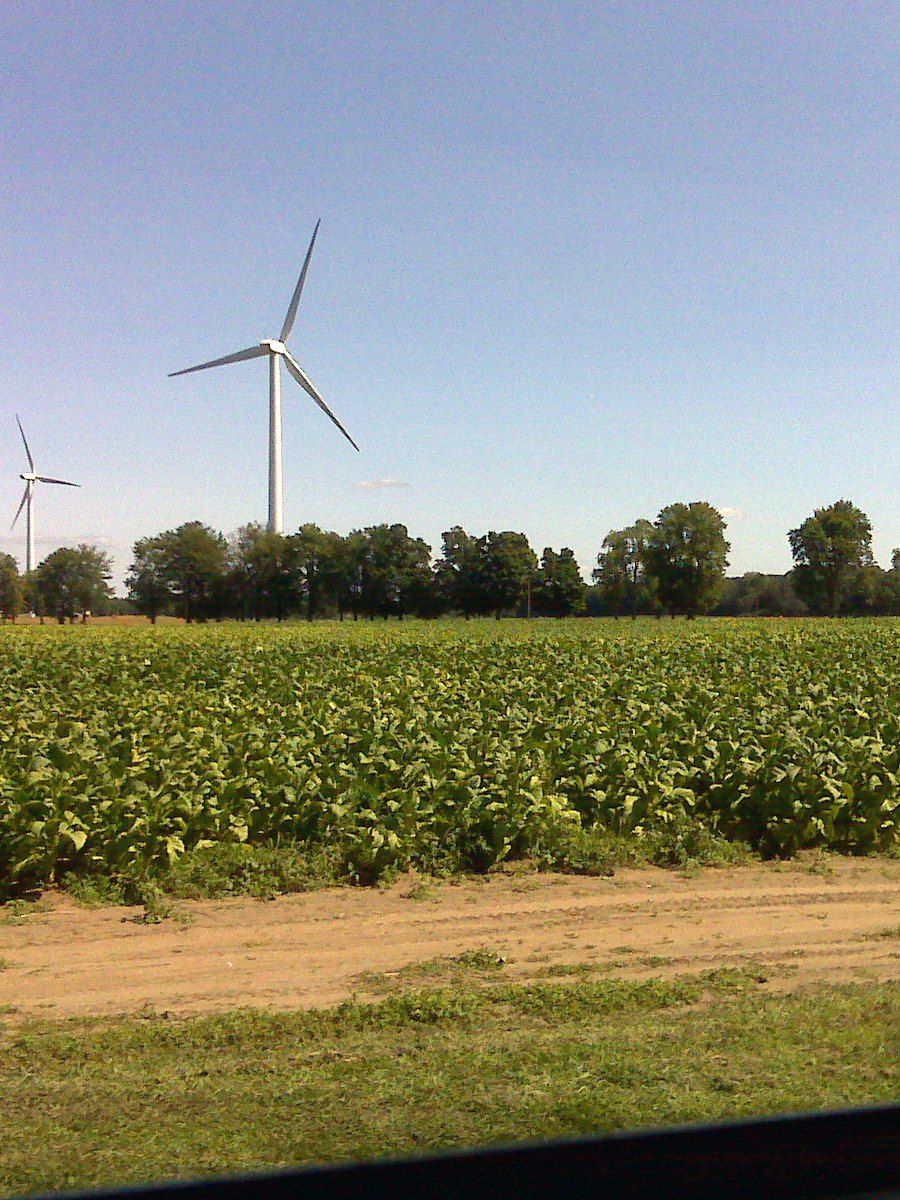
Wind farms
Array and export cable routes, often a long way from a quarry.
Learn more
Rail
Cable routes along the railway.
Learn more
EV charger installers
Trenches for chargers in car parks, forecourts and driveways.
Learn more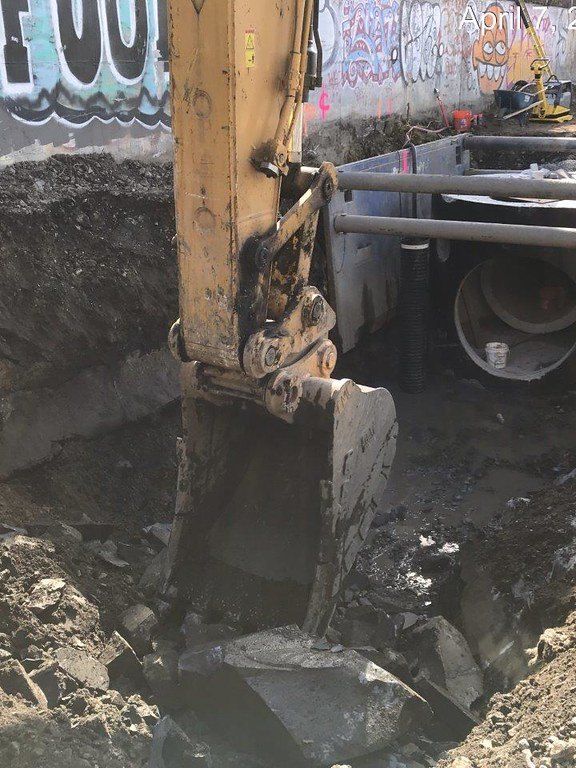
Groundworkers and builders
Service trenches on housing sites and new builds.
Learn more
Homeowners
Power to a garden office, workshop or car charger. A bulk bag or two.
Learn more
Battery storage
Cable trenches between the containers, the substation and the grid.
Learn more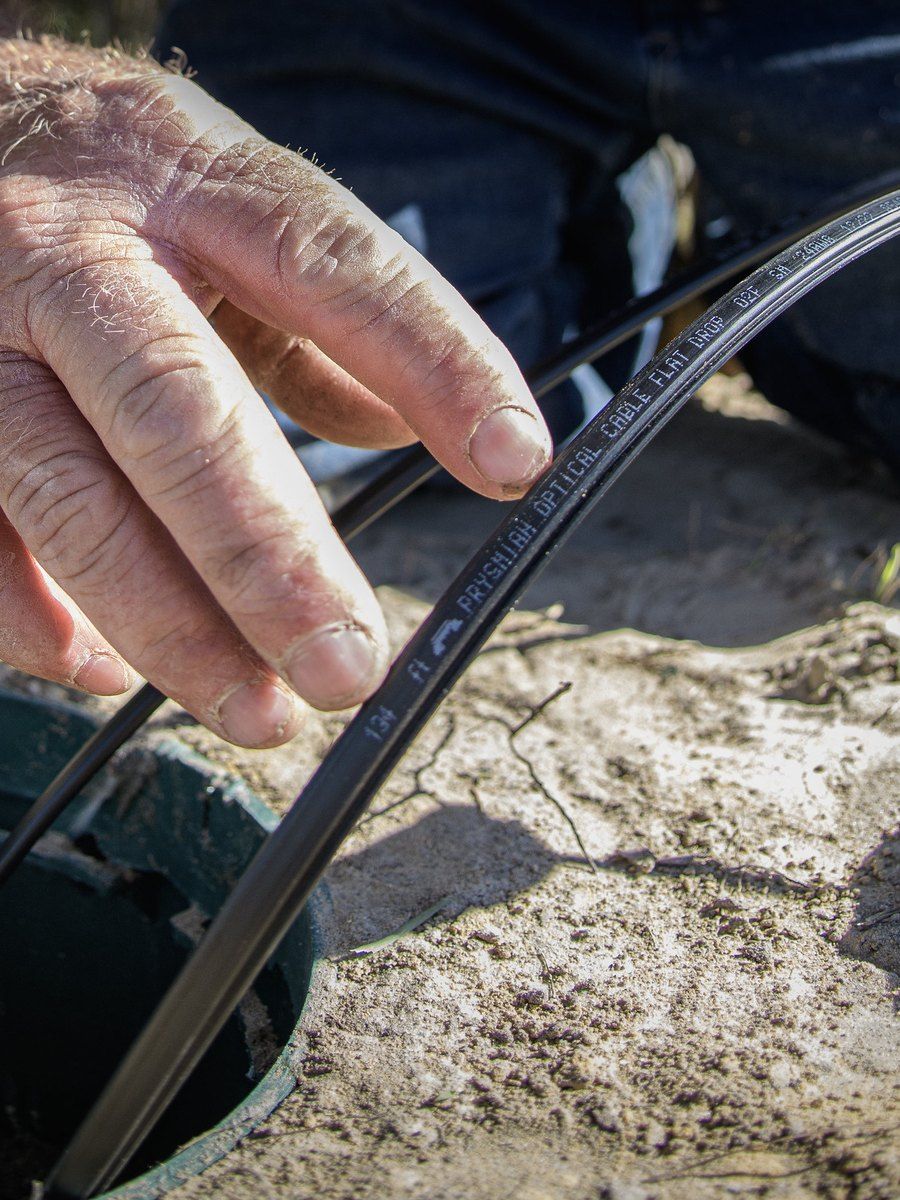
Fibre and telecoms
Duct trenches along verges and footways, bags dropped along the route.
Learn moreHow ordering works
From enquiry to sand on site
- 01
Tell us the job
What you need, how much, where and when. The form takes a couple of minutes.
- 02
We price it
We find suitable sand near your site and price it with the haulage, so you see one delivered figure.
- 03
Sample if you want one
Check the sand before you commit to a full load. Tick the box on the form.
- 04
Delivered to site
Tipped straight on site, or craned off in bulk bags where a tipper cannot get in.
Delivery
However you want it on site
Sand is heavy, so haulage is most of the price. We quote from the nearest suitable source to keep that down.
Tipper loads
Our usual. Tipped straight on site. Tippers and artic tippers are the cheapest way to get sand to you.
Artic loads
Artic tippers for long cable runs, solar and wind farms, where the tonnage adds up.
Bulk bags
Craned off where a tipper cannot tip. Handy on tight sites and along a cable route.
What cable sand is for
Why cables go in sand, not straight into the ground
You will hear it called cable sand, thermal sand, ducting sand, trench sand or cable bedding sand. It is the same job every time: a clean, fine sand around the cable or duct, under it and over it.
Protects the cable
No stones or flints pressing on the sheath, going in or years later.
Supports it
A firm, even bed that packs down and does not settle or wash out.
Lets the heat out
Cables run warm. The right sand carries that heat away, so the cable can carry its full load.
- 1BackfillDug-out soil or imported fill, as the job specifies.
- 2Warning tape or tilesMarks the cable for whoever digs here next.
- 3BlindingCable sand packed over and around the cable, by hand.
- 4Cable or ductLaid on the bedding, never on stones or rubble.
- 5BeddingA compacted layer of cable sand across the full trench width.
Depths and materials change with the voltage and the network operator. See the trench bedding guide
The spec
ENA TS 97-1, in plain English
Most network operator work calls for backfill to ENA TS 97-1, the Energy Networks Association standard for sand around power cables. The trade often writes it ENATS 97-1.
The spec expects the test paperwork to be handed over before work starts, and jobs get held up when it is missing. Tell us what the job needs and we price it that way.
ENA TS 97-1 explainedSelected sand
Natural sand from a tested source. Fine, clean and cohesive enough to pack tight around the cable.
Gravel and sand
Selected sand mixed with an equal weight of 10 mm gravel.
Cement-bound sand
Sand bound with cement, usually 14 parts to 1, also called stabilised sand. Often asked for around 33 kV cables and up.
Coverage
Every network area in the UK
England, Scotland, Wales and Northern Ireland, including the Scottish islands. Each area is run by a different network operator, and each has its own rules for what goes around the cable.
Questions
What people ask before they order
What is cable sand?
Fine sand laid under and over buried power cables. It keeps stones off the cable sheath, gives the cable a firm bed, and lets heat escape. On network operator jobs it usually has to meet ENA TS 97-1, the industry standard for backfill around cables.
Is cable sand the same as thermal sand or ducting sand?
Yes. Thermal sand, ducting sand, duct sand and trench sand are all names for cable sand. It is called thermal sand because part of its job is carrying heat away from the cable. On a spec job the name matters less than the standard: network operators ask for sand to ENA TS 97-1, which calls it selected sand, and some of their rules call it special backfill.
Is cable sand the same as building sand or sharp sand?
Not on a spec job. Sand for ENA TS 97-1 work comes from a source tested for how well it packs, holds together and carries heat away. General sand can be fine for a small job with no spec, but network operator work needs sand that meets the standard, with test results to show it.
What is cement-bound sand (CBS)?
Sand mixed with cement, usually 14 parts sand to 1 part cement, also called stabilised sand or stabilised backfill. ENA TS 97-1 lists it as one of the stabilised backfills. Network operators often ask for it around cables of 33 kV and above.
Which sand does my job need?
Check your drawings or the network operator’s installation rules. As an example, UK Power Networks asks for CBS around cables of 33 kV and above, and Northern Powergrid asks for selected sand or CBS at those voltages. If you are not sure, pick "Not sure, advise me" on the form.
How much cable sand do I need?
Multiply the trench length by the width by the depth of sand (bedding plus blinding), in metres, to get cubic metres. Compacted cable sand weighs roughly 1.6 to 1.8 tonnes per cubic metre, depending on the sand and how wet it is. Take off the space your ducts or cables fill.
Can I get a sample first?
Yes. Tick "Send me a sample first" on the form and we will get one to you before you order.
Do you deliver everywhere?
Yes. England, Scotland, Wales and Northern Ireland, including the Scottish islands. Usually next day on mainland Britain; Northern Ireland and the islands take longer. Tipper loads, artic loads or bulk bags, delivered to site. Distance changes the haulage cost, so every job is quoted.
How is cable sand priced?
By the sand and the haulage. Sand is heavy, so the distance from the nearest suitable quarry to your site makes the biggest difference. That is why every job is quoted, rather than one price for everyone.
Can you supply test certificates?
Yes. Ask for the test certificate for our cable sand in the spec section of this page and we will email it to you. If your job needs certificates with the delivery, tick "The job needs UKAS test certificates" on the quote form.
Tell us the job. We price the sand.
Material, amount, postcode and date. That is all we need to start.
Get a quote